

Sheet Metal Fabrication: A Core Manufacturing Solution for Modern Industries
In today’s industrial landscape, sheet metal fabrication plays a vital role in transforming flat metal sheets into functional, high-precision components used across countless industries. From simple brackets to complex enclosures and structural assemblies, sheet metal fabrication combines advanced technology, skilled craftsmanship, and efficient production methods. This blog provides a comprehensive overview of what sheet metal fabrication is, how it works, its main process types, service scope, advantages, and practical applications.
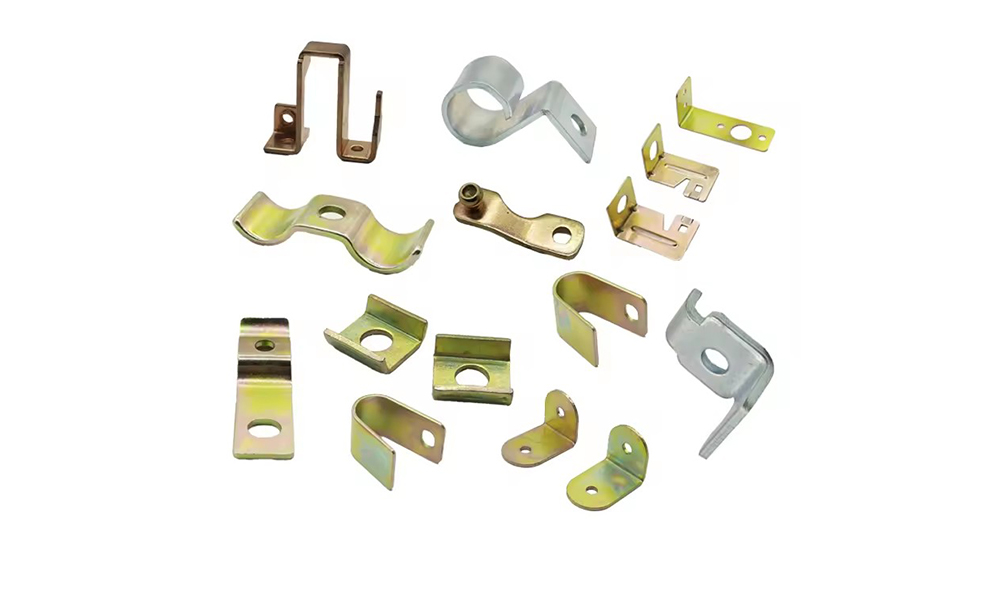
What Is Sheet Metal Fabrication?
Sheet metal fabrication is a manufacturing process that involves cutting, forming, bending, joining, and finishing metal sheets to create custom parts or assemblies. Commonly used metals include stainless steel, carbon steel, aluminum, copper, brass, and galvanized steel. The process supports both prototype development and high-volume production, making it a flexible solution for a wide range of industrial needs.
Sheet metal fabrication is valued for its precision, repeatability, material efficiency, and ability to produce complex geometries with consistent quality.
Sheet Metal Fabrication Process
The fabrication process typically follows several structured steps:
1. Design and Engineering
Parts are designed using CAD software, ensuring dimensional accuracy and manufacturability.
2. Cutting
Metal sheets are cut to shape using laser cutting, plasma cutting, water jet cutting, or mechanical shearing.
3. Forming and Bending
Press brakes, rolling machines, and stamping tools are used to bend or shape metal sheets into the desired geometry.
4. Joining and Assembly
Components are joined through welding, riveting, fastening, or clinching.
5. Surface Finishing
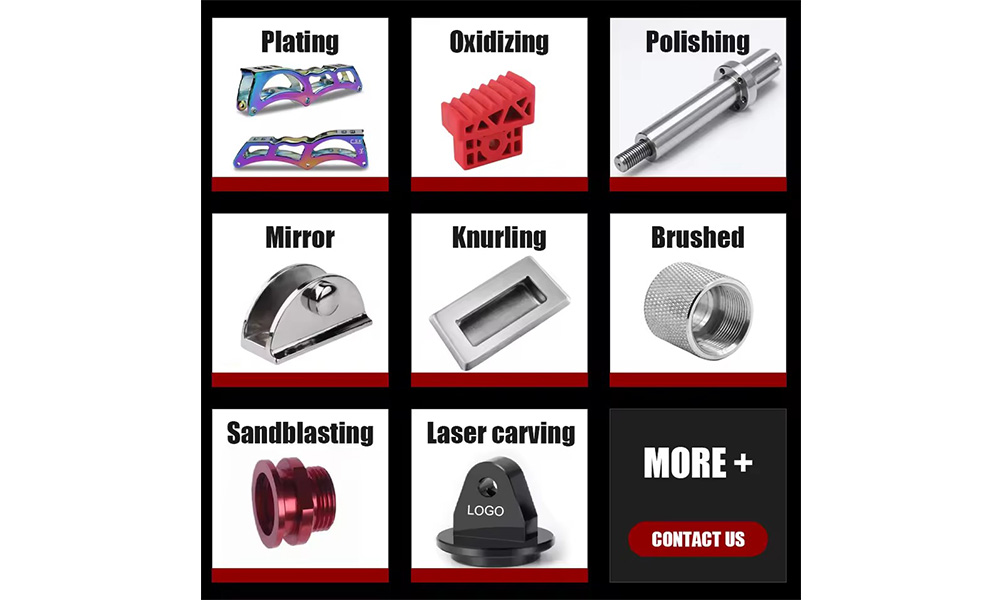
Finishes such as polishing, powder coating, electroplating, electrophoresis, or painting are applied to enhance appearance and performance.
6. Inspection and Packaging
Finished parts are inspected for quality and prepared for delivery.
Each step is carefully controlled to ensure consistency and compliance with customer specifications.
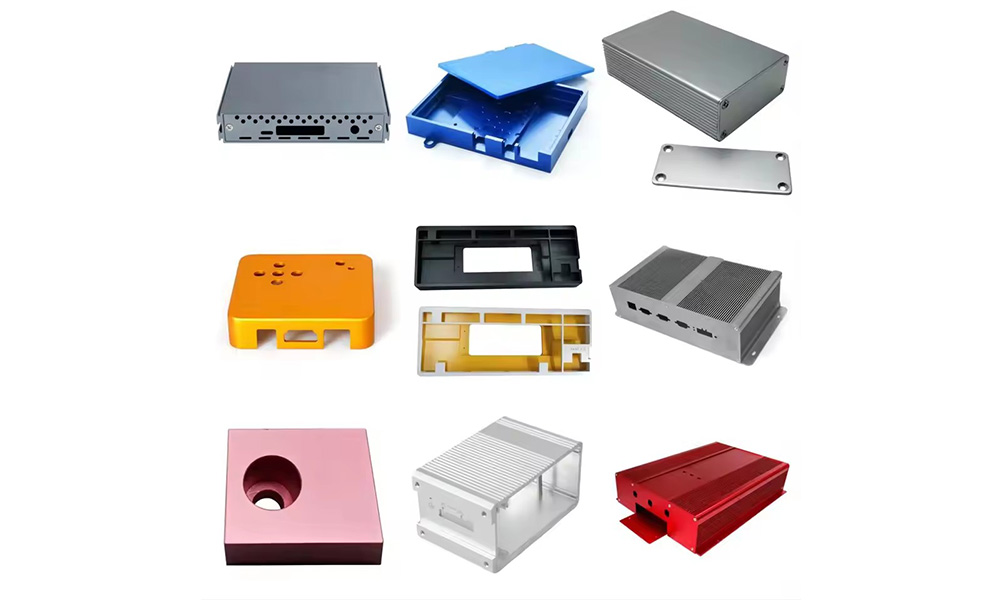
Types of Sheet Metal Fabrication
Sheet metal fabrication can be classified based on processing methods and complexity:
Cut-to-Shape Fabrication – Simple flat components
Bending and Forming Fabrication – Brackets, panels, and enclosures
Stamping and Press Forming – High-volume parts with tight tolerances
Welded Fabrication – Structural frames and assemblies
Precision Sheet Metal Fabrication – Tight tolerances for electronics and medical devices
Custom Fabrication – Low-volume or specialized components
Each type is selected based on material, design complexity, and production volume.
Sheet Metal Fabrication Services
Professional sheet metal fabrication services typically include:
CAD/CAM engineering support
Laser and CNC cutting
CNC bending and forming
Welding and assembly
Oberflächenveredelung und Beschichtung
Prototypen- und Serienproduktion
Qualitätsprüfung und -test
Fertigungslösungen aus einer Hand
Integrierte Dienstleistungen tragen dazu bei, Durchlaufzeiten zu verkürzen, Kosten zu kontrollieren und eine gleichbleibende Qualität zu gewährleisten.
Vorteile der Blechbearbeitung
Die Blechbearbeitung bietet mehrere entscheidende Vorteile:
Hohe Präzision und Wiederholgenauigkeit
Kostengünstig sowohl für niedrige als auch für hohe Mengen
Ausgezeichnetes Verhältnis von Festigkeit zu Gewicht
Breites Material- und Dickenspektrum
Designflexibilität und Anpassungsmöglichkeiten
Skalierbare Produktionskapazität
Kompatibilität mit Automatisierung
Diese Vorteile machen die Blechbearbeitung zu einem bevorzugten Fertigungsverfahren in vielen Branchen.
Anwendungsbereiche der Blechbearbeitung
Die Blechbearbeitung findet breite Anwendung in:
Automobilindustrie – Halterungen, Rahmen, Karosserieteile
Elektronik – Gehäuse, Schränke, Chassis
Industriemaschinen – Gehäuse, Schutzvorrichtungen, Strukturteile
Konstruktion – Paneele, Träger, Architekturelemente
Medizintechnik – Präzisionsgehäuse und Komponenten
Energie und Elektrotechnik – Schaltschränke, Gehäuse, Halterungen
Konsumgüter – Haushaltsgeräte, Möbel, Eisenwaren
Durch seine Vielseitigkeit können Hersteller unterschiedlichste funktionale und ästhetische Anforderungen erfüllen.
Abschluss
Da die Industrie immer höhere Präzision, schnellere Lieferzeiten und zuverlässige Qualität verlangt, bleibt die Blechbearbeitung ein Eckpfeiler der modernen Fertigung. Durch die Kombination von fortschrittlichen Maschinen, qualifizierten Ingenieuren und umfassenden Dienstleistungen ermöglicht die Blechbearbeitung die effiziente Herstellung langlebiger und hochwertiger Bauteile. Die Wahl eines erfahrenen Fertigungspartners gewährleistet optimierte Konstruktionen, gleichbleibende Ergebnisse und langfristigen Mehrwert für jedes Projekt.
